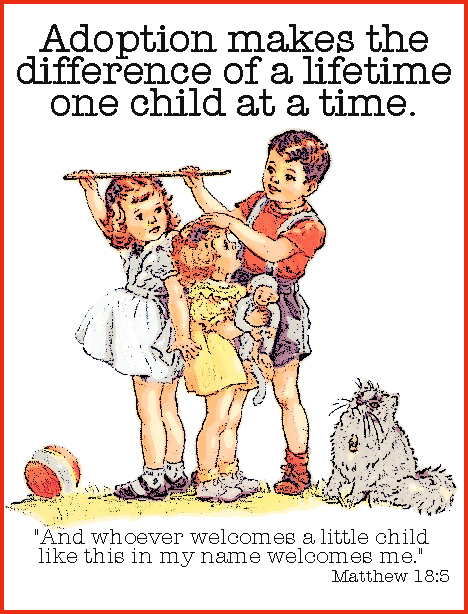
Learning what {mothering} really is

For almost three years now, I’ve mothered Lindsey. I’ve cooked meals + washed clothes + set up dentist appointments + driven her to activities + made her clean her room + took care of her when she was sick. Lindsey knew she missed out in her early years on some of what a mother does, but it never occurred to her that “mothering” means those things, but far more.

She and Ken quickly developed a good father-daughter relationship, and that has grown and deepened. She doesn’t always like all his fathering (and protecting), but she loves her Daddy. She and I, on the other hand, easily anger each other, and some days just being in the same house is hard.

Over these three years, though, there have been a few times when she has come to me to talk, to hug, to cry. We’ve had some meaningful talks. On those rare times, it feels like a mother-daughter relationship should. Those times feel good — but still so rare.

And I wonder if my influence matters at all; I wonder if she’ll ever understand what mothering really is.

Ambulance Ride

Saturday morning, just before a JROTC performance at the local Air Force base for Academy Day, Lindsey woke up surrounded by EMTs after passing out and hitting her head on the concrete floor, and immediately cried, “I want my Mama!!!” She kept on, and told them my name, and I had no idea why the speaker at this event was calling my name in front of these hundreds of people and cadets and military men and senators, but I stood and went up front and they took me to her. I helped calm her down, I answered medics’ questions, and I rode in the ambulance with her (as Ken followed behind in the car).

Several hours and several tests later, she was sent home from the hospital with a big bump on her noggin (and an even bigger headache), and she is fine.

At some point in the midst of all the chaos that has given me more gray hair, it occurred to me that it was me she asked for. Not Ken. Not anyone else. She asked for her mama, and she meant me.

So I think, maybe we really are making progress.

Maybe she’s learning what a mother really is.

Multitudes on Monday

1264 – dinner with all 3 kids, plus our soon-to-be daughter (in law)
1265 – helping stamp and seal Brandon and Diane’s wedding invitations
1266 – serving again at the soup kitchen
1276 – watching hummingbirds while I sit on the back porch
1277 – Ken rescued a nuthatch from inside the bird feeder
1278 – both girls are excited about signing up for fall homeschool enrichment classes (even Lindsey!)
1279 – my Fun Mama post was featured on BlogHer
1280 – finishing our homeschool year
1281 – a new (used) car
1282 – Lindsey is okay
1283 – she asked for me
1284 – I don’t freak out in a crisis
1285 – my own mom, and the example she set for me in what mothering means

Thank you to all my mom-friends — and my own mom — who inspire me.


(Note: post may contain affiliate links. See disclosure page for details.)

Adoptive Mother’s Prayers

It’s nearly Mother’s Day, so what better to share than a list of prayers for mothers? In this case, it’s a list of prayers specifically for the adoptive mom, but really, these prayers apply to any mom. I wrote “An Adoptive Mother’s Prayers” to go along with my “10 Days of Adoption” series; I’m sharing here on my blog to make it easy to bookmark or pin, but you can download a pdf version if you prefer.

Adoptive Mother's PrayersIn the day to day challenges and frustrations of parenting, help me never lose sight of eternity; help me always keep my eyes on Jesus. (Hebrews 12:1-2)

Each morning, give me a word to sustain the weary; waken my ears to hear from you throughout each day. (Isaiah 50:4)

Help me remember, when I’m facing spiritual battles, that the One who is in me is greater than the one who is in the world. (1 John 4:4)

Bring my children word of Your unfailing love, and show them the way they should go. (Psalm 143:8)

Give me abounding love and keen insight as I parent these children. Show me what is of real eternal value, and through me, show my children what – and Who – Love is. (Philippians 1:9-10)

Father God, I pray that You sanctify my children with ever-increasing glory, and that you draw them into a deeper faith and experience with Jesus. (2 Corinthians 3:18)

Reveal more of Your nature and character to my children, and help them base their self-worth on YOU.

Clothe me in compassion, kindness, humility, meekness, patience, forgiveness, and above all, love. Let the peace of Jesus rule my heart and home, and let that be one of the many ways my children come to know and love you. (Colossians 3:12-15)

Despite whatever past circumstances have told them, show my children that they are Your workmanship, created in Jesus for good works, which You planned for them long ago. (Ephesians 2:10)

Give me a steadfast mind and keep me in perfect peace, with my mind on You, trusting You to do the work as I parent. (Isaiah 26:3)

Lord Jesus, help me abide in You daily. (John 15:5)

I pray that I would love, not merely in word or speech, but in deed and truth. Daily, and even moment by moment. (1 John 3:18)

Give me the grace to speak edifying, encouraging words. (1 Thessalonians 5:11)

Prepare my heart to pour out for the lives – and hearts and souls – of my children. (Lamentations 2:19)

Strengthen and guard my marriage, and help us to keep our marriage centered on You, our Rock, so that no storm may bring it down. (Matthew 7:25)

Father, show my children that You are mighty to save; that You rejoice and sing over them! (Zephaniah 3:17)

Make me quick to listen, eager to hear whatever is important to my children. Make me slow to anger, and cautious in choosing my words. (James 1:19-20)

Teach my children the beautiful truth that You have good plans for them, which include a future filled with hope. (Jeremiah 29:11)

See also:
- My Prayer Notebook
- Prayers for Parenting
- Prayers for My Husband


(Note: post may contain affiliate links. See disclosure page for details.)

10 Days of Adoption: Additional Resources

Have I overwhelmed you with information over the past two weeks? I’ve included a link list near the end of this post with all the posts in my series, so you can catch up if you missed anything, or to come back and re-read if you want to digest some of the info before moving onto the next topic! I’ve added my “10 Days” button on my sidebar with a link to all ten posts so they’re easy to find for future reference.

I asked adoptive families to suggest resources for further information. Some of these books and resources are ideal for families just considering adoption, and some are fabulous for families who have already adopted and may need post-adoptive support.

Adoption Resources

One mom said she linked up with a ministry called Faith, Hope, Adoption when they were still thinking about adoption.  This is an educational non-profit that helps make the adoption process less confusing. The organization offered a class at a local church, and she says this helped them decide what route to take to adopt. She says the best help was the class leader, who was available though-out the whole adoption process.

Another adoptive mom says she always recommends Loving Shepherd Ministries because their online process to help a family deal with the information overload and narrow their options is “just amazing.

Several families recommended Focus on the Family resources.

I agree with the moms who say they found great encouragement and knowledge from other adoptive family’s blogs! There are seriously SO many great bloggers out there willing to share their hearts and their experiences. Do you have recommendations? Please leave them in the comments!

I have not yet watched these videos myself, so I cannot personally recommend them, but one mom said her favorite resource has been Christine Moers YouTube videos.

I’ve created An Adoptive Mother’s Prayers as a free download on my facebook page; you’ll find it listed under the “Extras” tab. Access it by “liking” my page, if you haven’t already.

I’ve collected quite a long list of recommended books. I have only read a few of these, but my “To Read” list has grown substantially! To make these books easier to find quickly, I’ve created an online list; as I find more recommendations, or read more myself, I’ll add them here: Adoption Resources.

Recommended books:

  • Adopted for Life – Russell Moore
  • The Connected Child – Kathryn Purvis (bonding)
  • Beyond Consequences, Logic, and Control: A Love-Based Approach to Helping Attachment-Challenged Children – Heather Forbes (bonding)
  • Building the Bonds of Attachment – Daniel Hughes (bonding)
  • Handbook on Thriving as an Adoptive Family – Focus on the Family (bonding)
  • It’s Okay to Cry: Helping Children Through the Losses of Life – H. Norman Wright
  • When Love is not Enough – Nancy Thomas (bonding)
  • In Their Own Voices – Rita Simon (transracial adoption)
  • Spiritual Parenting – C. H. Spurgeon (parenting)
  • Bringing Up Boys/Bringing Up Girls – James Dobson (parenting)
  • Power of a Praying Parent – Stormie Omartian (parenting)
  • Adopting The Hurt Child – Gregory C. Keck (foster or older child adoption)
  • Parenting Adopted Adolescents – Gregory C. Keck  (teens)
  • Pieces of Me: Who do I Want to Be – EMK Press (teens)
  • Beneath The Mask: Understanding Adopted Teens – Debbie Riley (teens)

Just because I’m done with this 10 Days series doesn’t mean I’m done with the topic of adoption! We’re in process of adopting again, and I’ll be sharing more about that as we go along. It’s already so different this time than it was when we adopted Lindsey. Doing this series has made me think of even MORE specific things I’d like to write about in regards to adoption, but if I’d included it ALL in these posts, your eyes would have totally glazed over with my way-long posts!! So keep coming back, friends! (Or just subscribe!)

Previous posts in my 10 Days of Adoption series:
1 – 10 Days of Adoption: Introduction
2 – Why is Adoption So Important?
3 – If We Want to Adopt, Where Do We Begin?
4 – Common Types of Adoption
5 – Greatest Misconceptions About Adoption
6 – Can We Afford to Adopt?
7 – Special Needs Adoption: Could I Handle It?
8 – One Big Happy Family: Bonding in Adoption
9 – Biggest Hurdles and Challenges in Adoption

………………………………………
iHomeschool Network is the collaboration of brains behind this 10 Days Series of posts! Find iHomeschool Network on Facebook or Twitter, and visit all the 10 Days posts by simply clicking the collage of lovely faces below:

10 Days bloggers


(Note: post may contain affiliate links. See disclosure page for details.)

Biggest Hurdles in Adoption

I am an enthusiastic adoption advocate, but as I’ve said before, I never want to paint such a rosy picture that families enter into the process blindly. Today’s post focuses on some of the challenges within the adoption process, as well as what you can do even if you don’t feel called to adopt.

What was the biggest hurdle in the adoption process?

10 Days of Adoption at See Jamie BlogFor us personally, the biggest hurdle in the adoption process was when a communication fail at our agency resulted in our paperwork being misplaced for months before we even knew about it. I was upset about this at the time, but once things got rolling again, everything went very quickly.

But I’m just one mom, so I’m sharing answers to this question from other adoptive parents, including those in domestic, international, and foster-adoptive families:

“For us the hardest part was the uncertainty; the process in Ukraine seems to change with the wind, and there was always some new regulation or rule or change in paperwork or risk of shutdown or delay.  It was difficult to learn to focus on the things we could control and to just let go of the things we couldn’t control.”

“We’ve adopted twice from our state’s foster care system.  Our daughter’s adoption was a dream, no birth family visits, she was free for adoption the second we brought her home, and the whole thing was wrapped up 6 months after.  Our son went 2x a week on visits with his birth family and we had to fight for his rights to be heard in court.  We didn’t feel like we had enough say in the court hearings.  But in the end, the truth came out and really, God gave us strength to stand up and be heard.”

“We could not get over how much “silly” info that was requested from us. For example, we have a septic tank that needed to be inspected; we had to have physicals, which included blood work, and we knew these were just the “hoops” to pass through but there are so many situations in a biological birth that there is no info needed. The paperwork is overwhelming.

“Our hurdle was a bit different from most. Our 1st placement was removed from her previous foster home after they had already been given consent to adopt. Before they filed their petition to adopt some charges came about and she was removed from their home and their home was shut down as a foster home. They filed to adopt her anyway and we had a huge custody battle in court that lasted a year and a half. It was a long, tiring battle but after a year and a half we got the verdict that she was ours.”

“We did not really encounter any hurdles, the process was involved but not difficult.  I think the hardest part was waiting to get kids after we were certified.  I would go to our agency’s office once every other week to look at profiles of kids who were new to the system, that was always very sad for me – first, when I didn’t see any who felt like a good “fit” for our family and vice versa, and also to see how many new kids were in foster care each month, just in our area.”

“I was shocked and appalled at how centered the court was on [the birth mother's] needs at the expense of the girl’s needs. I wanted to minister to her but not at the detriment of the girls. There seemed to be no balance.

“It feels like all the different departments don’t communicate with each.  Your lawyer doesn’t have the information that your caseworker has, and your caseworker doesn’t have the information that your adoption worker has.  This is why it’s very important to keep good records so that you are the one who has ALL of the information.  Remember that you are only one of a very large caseload, and no one will care as much as you do.”

“The path that we started down was not the path we ended up on, yet where we ended was exactly where God wanted us! Most likely your adoption will not end up exactly as you envision it… but it will end up exactly as God intends if you stay in step with His leading. Also, the system is generally in place for the children… it might irritate you, invade your privacy, take longer than you think it should, but just remember the paperwork/invasions of privacy/lengthy waits… are in place to make sure that the outcome is best for the child.”

What if God closes the door on adoption?

road closed

This is hard, and I surely don’t want to give a flippant answer.

Every adoption story I’ve ever heard has it’s share of bumps in the road, some bigger than others: social workers being ill; lost paperwork; sudden changes in laws of the country they were adopting from. Things that range from little inconveniences to disrupted adoptions. Most adoptive parents agree that not everyone is called to adopt — but if you have felt that calling, then God has probably not closed the door. Perhaps He is sending you in an unexpected direction.

Remember, God’s timing is seldom our own, and sometimes His picture of things is different than ours. But I can promise you that His plans are far better (but perhaps much harder!) than anything you could dream.

One mom said, “Perhaps the journey is not going to look exactly like you thought it was going to look, but just allow God to direct you and He will see you through. We thought we were going to adopt a baby girl from China, and ended up adopting a boy with special needs from the foster system. God didn’t close the door; He simply redirected us to His perfect plan for our family.”

Tomorrow, please come back as we wrap this series up.

New to this series? Here’s what you’ve missed:
1 – 10 Days of Adoption: Introduction
2 – Why is Adoption So Important?
3 – If We Want to Adopt, Where Do We Begin?
4 – Common Types of Adoption
5 – Greatest Misconceptions About Adoption
6 – Can We Afford to Adopt?
7 – Special Needs Adoption: Could I Handle It?
8 – One Big Happy Family: Bonding in Adoption

………………………………………
iHomeschool Network is the collaboration of brains behind this 10 Days Series of posts! Find iHomeschool Network on Facebook or Twitter, and visit all the 10 Days posts by simply clicking the collage of lovely faces below:

10 Days bloggers


(Note: post may contain affiliate links. See disclosure page for details.)

One Big Happy Family? Bonding in Adoption

In many families, like ours, there were already children in the home when a new adopted child joined the family. Questions I’m often asked about this include:

  • How do we handle the blending with children already in the home?
  • Are there jealousy issues? 
  • What about birth order? 
  • What do the kids (if not infants) call you when they first come home? 
  • How hard is it to bond with the adopted child? 
  • How do you protect the children already in the home?

What everyone really wants to know is this:
Does a family like ours ever really feel like one big happy family?

10 Days of Adoption at See Jamie BlogI ask you to bear with me today, as this is the longest post in this series. There is just SO MUCH to cover here. In fact, I could do a whole series on this topic, and depending on the types of questions/input I get on this post, I may do that.

I’m approaching these questions from the angle of the parents because as parents, you are the ones making the decision to adopt, and you’re the ones who will be responsible for parenting. However, as I’ve said before, if there are already older children in the home, I’d encourage you to involve them in the adoption process as much as possible.

This post spoke volumes to me, so I’m sharing an excerpt:

Adoption has given us love. A new person to be loved by. A new person to love. But sometimes – some weeks, a lot of times – we love only because Jesus tells us to…

And this is family isn’t it? Commitment that isn’t circumstantial, whose roots wriggle way down to stretch deeper than feeling, relationship with a memory longer than the present moment.” - Shaun Groves

I don’t candy-coat adoption because I believe that does a disservice to everyone involved. If families enter into adoption with realistic expectations — no rose-colored glasses — there is a much better chance for parents and children to thrive. Of course, EVERY SITUATION IS UNIQUE. This is why I’m sharing thoughts from so many other parents.

First, my own experience.

broken heart healed
The love has not been hard; that was a decision. We loved Lindsey from day one, and that has grown as we’ve shared experiences and gotten to know each other better. I expect it to continue to grow throughout our lives. But the trust has been hard: earning hers and teaching her that she must behave in a trustworthy manner — no lying, no hiding things — in order to have the privileges she wants. She tends to tell us what she thinks we want to hear, which doesn’t ever really get to the heart of things. Some days it feels like we take several steps backwards, but other days we finally make it a few steps forward. We’ll get there, but it’s a process.

Any difficulties between our girls have mostly come from Lindsey learning to be a big sister, rather than the one “in charge” as she was with practically raising her little brother (who was adopted separately), and in Kathryn learning that Lindsey wouldn’t want to spend every moment with her. Really, it’s all been very normal sibling rivalry stuff, except that it happened rather suddenly — and now we’re working through it and things are going well. Lindsey and Kathryn still get on each other’s nerves sometimes but they’ve learned to enjoy each other’s company, and I expect that to grow as they grow older.

One point I think is HUGE: if your children are old enough to understand what’s going on, involve them in the adoption process as much as possible! I believe our open communication about this is one of the reasons Kathryn has done SO WELL with all the adjustments that came in adopting Lindsey.

We adopted out of birth order, and we’re often asked about that. I believe that really wasn’t an issue. Bringing differing personalities together had it’s challenges, but that would’ve been the case even if we’d kept things in “normal” birth order. We try to keep an open (and private from each other, if necessary) dialogue with both girls about how things are going so we can address any problems that come up, but again, I don’t think adopting out of birth order has been as issue for us at all.

Another frequent question: When Lindsey asked what to call us, we told her we hoped someday she’d call us Mama and Dad, but she could call us whatever she felt comfortable with. We felt the relationship was far more important than our title. Around the time of her adoption, she made the decision to switch from “Jamie and Ken” to “Mama and Daddy.”

………………………

Enough about us for now; let’s move on to thoughts from other adoptive parents shared thoughts on how hard or easy it was to bond with their children:

“All 3 of my adopted kiddos began calling me mommy on the day they moved in. I realize that to some of them that is more of a title pertaining to my place in the family and less of a term of endearment, but it still helped me to feel bonded to the child. We never pushed affection on the kids, just offered it and bonding happened naturally. I feel that we have a very strong bond together and that the kids have strong bonds amongst themselves. Our only birth child was thrilled when he got his first sibling… They are still the closest out of all four kids even though they have the largest age gap. He was very happy to add sister number two as well. After her first weekend visit with us he cried when we had to take her back because he missed her. Then when we finally got him a little brother he was over the moon. His little brother wants to be just like him and thinks that being a brother is the best thing ever. It makes me happy that my kids are so very close. I think it helps that they are all so close in age. (6, 7, 7, 8)”

………………………

“Some days it’s hard and some days it’s easy. I find that spending one on one time is a great way to help with bonding, as well as family activities and meals. Starting new traditions and keeping old ones. Of course, there will be bad days. Nothing worth having comes without some sacrifice. My older [biological] sons found it hard dealing with our new daughter when she was disrespectful to “their” mom, but my daughter that is closer in age has bonded with her sister very well. There are days I have to separate them because they are arguing and days when they are enjoying their sister bond so much, I can’t get them to stop distracting one another from school work. It takes time. Our daughter has seen a therapist on and off since she came to us and that has helped a lot. Our oldest son just got married last weekend and I think it speaks volumes when I tell you that both of his sisters were asked to stand up at his wedding; there was never the slightest hesitation.”

………………………

“We were the fifth home they’d lived in, at two and three years old. Bonding took time, and we are still working on building trust with both of them. I credit seeing a marriage and family therapist who specializes in traumatized children for helping us bond with both girls. Our youngest just started lighting up when I come to pick her up from her preschool. What a blessing to see she is attached and happy to see me! Our older daughter is attached, but still struggles with trusting us to take care of her, and is still fearful of being hurt or rejected. Our biological son was part of the process of adopting the girls. He had the last say on if we were going to have them join our family or not. He has been an amazing big brother, and treats them with lovingkindness even when they aren’t so kind to him. He loves them very much and I really admire how he’s given up time with me, being the center of attention, and so many other things for his sisters.”

………………………
Bonding was very different with each of our girls, more because of their personalities and unique past experiences. Our first daughter is a very ‘in the now’ person, and she deals with things and moves on very quickly.  The other is very sensitive and hangs onto things.  She also is still in touch with her birth mother and half sister who are still in Ukraine, so her particular circumstances have made bonding more complex. The girls were best friends in Ukraine (at the orphanage), were separated for 2.5 years, and then became sisters; that shifting relationship was unique and challenging. Both girls had expectations that their relationship as sisters would be the same as when they were in the orphanage, but as they aged and adapted to a new culture at different times/rates, there certainly were bumps in that road. There are times when both girls have had second thoughts, but God put us all together for His reasons. And He is working it all out with love!”

………………………

“I had no trouble bonding with my daughter. I had waiting my entire life for her and the love was instant and intense.  I had a harder time bonding with my son though.  I’m not sure if it was because his case was so unsure in the beginning or if it’s natural to be scared about adding a second child. I felt like I had everything I ever dreamed of with Josie and didn’t know if I had love for another. It took a couple of months for me to start seeing Gabriel as my baby, but once I did, I loved him with everything. I can’t imagine a greater love than I have for these two!”

………………………

“Bonding was and is hard. I had always heard people say ‘you’ll love them just like your own biological kids.’ But I didn’t. I prayed and pleaded with God to help me adore them. It seemed like it would never come. It is very hard to bond to a child who is so full of rage for what you represent: a woman who neglected them then left them. They pushed me away with all of their might. But it is through this that I learned a deeper love. A love Paul talks about in 1 Corinthians. A love that isn’t romantic at all. A love that says ‘you can tear my house apart, call me every name in your 4-year-old dictionary, and hate me with every fiber of your soul — and I WILL NOT LEAVE YOU!‘ At times it has been very very hard on our bio daughter, and we have had to get very creative to make sure everyone feels cherished and important.”

………………………

“We do not have any biological children, but bonding was different for each of our girls. [One adopted as an infant; the 2nd daughter adopted as a teen.] The bonding between two sisters was not difficult, but it was still difficult for our teen to be accountable to a “little sister” and know that her words and actions are being heard and repeated. Bonding with our teen is an ongoing process, so many times she has had to shut herself off when she moved from family to family to limit the hurt, so it is easy for her to shut people out. I had a mentoring relationship with her when we first met and changing into the ‘mom’ role was not easy for either of us at first. She is more open to sharing and bonding when shopping or listening to music/doing art, so I try to plan these activities and just let the Lord take over! I think sometimes a child will push you away to ‘test’ you to see if you will love them at their worst and know that you will stay or not send them away.”

………………………

Building attachment with older adoptive children requires extra time and consistency. With the sibling group we’re [in process of] adopting, we had to make sure to give extra attention to our other adopted children. This is especially important during the time of transition especially when they first moved into our home.  It’s easy for jealousy to form on both sides for new siblings. Ideally you teach them how to interact and enjoy each other’s company and always let them know that mom and dad have enough love to give everyone.”

………………………

While we’re on this topic, we have to address Reactive Attachment Disorder. This is a big issue. I recently read a great post explaining more about this from a mom living in the trenches: “What is Attachment Disorder?

Recently, I’ve found a new blogland friend: Jen has one biological child, and has adopted a sibling group of three from Africa, and a sibling group of six from foster care. It goes without saying that she knows a thing or two about bonding with children who have come from difficult situations, and she has become active in speaking to groups about helping families work through Reactive Attachment Disorder and other attachment difficulties. I asked her to share a bit of advice, and I was greatly blessed by what she had to say:

Children from hard places who have experienced trauma (and I would argue that losing your birth family is always traumatic) are going to have “attachment issues.”  Their trust has been broken by the very people who were supposed to be the most trustworthy.  Your words mean nothing to them.  They have no reason to trust what you say and they have every reason to doubt.  They have been hurt, they have had to learn to protect themselves, they lack the ability to empathize, and they are scared to death, they are master manipulators and they want to be in control. WARNING:  Their behavior is going to reflect this.  And it is going to make you feel crazy.  And parenting them is hard – CRAZY HARD.

Even if you “fell in love” with their referral pictures, chances are that once you enter this crazy hard world of loving a child with attachment issues, you are not going to FEEL like you love them. No, it does not FEEL the same as parenting a healthy attached child. Not the PC thing to say, but true. It’s hard to feel love for a child who tries to sabotage you at every turn.

But, you see, you DO love them: You love them by doing the loving thing over and over and over. You love them by parenting them in the way they need to be parented – with high nurture and high structure (despite how you parented your other kids or how your church friends parent). You love them by holding them when they are raging and telling them that you aren’t going anywhere. You love them by praying for them and fighting the spiritual battle on their behalf. You love them by not being easily offended. You love them by not being easily manipulated. You love them by not giving up, by not confirming their suspicions that you are just like all of the others who abandoned them and broke their trust. You love them by laying down your life, picking up your cross, and dying to yourself over and over and over.

Yes, you love them. . . and by the grace of God, someday, yes someday, you will wake up and realize that they believe you and they trust you and both of you FEEL, truly feel that phileo (friendship) love that you have both been longing for.

–> The subject of bonding in adopted families is entirely too deep to cover in depth in any one post, but I hope I’ve painted a realistic yet hopeful picture of how bonding happens in families with adopted children. Please feel free to join the conversation on my facebook page, or follow along with new posts posts via email.

New to this series? Here’s what you missed so far:
1 – 10 Days of Adoption: Introduction
2 – Why is Adoption So Important?
3 – If We Want to Adopt, Where Do We Begin?
4 – Common Types of Adoption
5 – Greatest Misconceptions About Adoption
6 – Can We Afford to Adopt?
7 – Special Needs Adoption: Could I Handle It?

………………………………………
iHomeschool Network is the collaboration of brains behind this 10 Days Series of posts! Find iHomeschool Network on Facebook or Twitter, and visit all the 10 Days posts by simply clicking the collage of lovely faces below:

10 Days bloggers


(Note: post may contain affiliate links. See disclosure page for details.)

Special Needs Adoption: Could I Handle it?

10 Days of Adoption at See Jamie BlogSpend a little time researching adoption, and you’ll see the term “special needs” come up often. However, in relation to adoption, special needs may not be what you’re thinking. In U.S. foster care, for instance, special needs may be defined by specific factors such as age, race, or being part of a sibling group. These are considered special needs because these factors make children statistically less adoptable; this was the case for us when we adopted Lindsey at age 14.

For today, however, we’re focusing on the more broad definition of special needs, which includes medical conditions or physical, emotional, or mental handicaps. Children with these types of special needs are not uncommon within foster care adoptions and international adoptions.

Physical or medical conditions children may have include Down Syndrome, eye disease or blindness, malformation of limbs, heart defects, spina bifida, or cleft palate. Certain conditions are more common in particular countries, and some conditions that are untreatable in third world countries can be helped with the medical care available here in the United States. Many conditions are treatable through surgery or physical therapy or medications, but some are not treatable. Ask questions, and be as informed as possible.

Emotional or mental conditions include (but are not limited to) Reactive Attachment Disorder, Post Traumatic Stress Disorder, ADHD, and Fetal Alcohol Syndrome. Again, ask questions, and be as informed as possible, but don’t let any of these diagnoses scare you off without first talking to parents of children with similar diagnoses. Also keep in mind that each of these conditions may vary greatly, from mild to severe and everywhere in between.

An adoptive dad I know, whose son has severe brain trauma from injuries sustained as an infant, shared these words about considering adopting a child with special needs:

“One of the things we learned most was to see the child and not the file. There’s good and bad to that, but you have to be honest about your life and what you can and can’t change. They are always more than their medical history says and often every case worker, therapeutic foster parent and doctor have their own opinions about what and who the child is. Having/seeking a holistic picture certainly helped us in our process.”

Another friend, mom to three healthy biological children and one special needs adopted child, shared these words:

With three kids already, I didn’t feel like I could handle special needs, yet God gave us a child who was in therapy and in doctor’s offices 3-4 times a week for his first three years of life. Our journey was harder than I ever envisioned, yet God’s grace covered and equipped us every step of the way. Had I known what was coming I would have said “No” — but I would have missed out on some of the greatest joys of my life so far.

Nicole, another adoptive mom, shares her story. A few years after adopting a beautiful and perfectly healthy little girl, she and her husband Andrew (adopted himself after being born to a 12 year old girl) decided to adopt again. They were away on vacation when they got the call about their soon-to-be-son Gabriel. They learned that he’d been born with a heart complication which had required surgery. Nicole tells what it was like to meet Gabriel and what life has been like since she became his mom:

We walked in to get our new 4 month old baby and fell in love instantly. But they had been wrong [about him looking healthy]. The baby was grey, wheezy, and small for his age. He had scars running the entire length of his small torso. He had been through the ringer.

Gabriel in the hospital

Gabriel has a congenital heart defect called Hypoplastic Left Heart Syndrome. A long name that boils down to him only having half a heart. The entire left side of his heart is barely there. It’s too small to do it’s job of pumping oxygenated blood through his body. Up until about 15 years ago, HLHS was a death sentence. Babies died within a couple days of birth. Thankfully, medicine has made huge progress and now babies can be diagnosed in vitro and their lives can be saved.

Gabriel underwent open heart surgery at 4 days old and again when he was 3 months old. Doctors were able to reroute his blood from body to heart to lungs to heart to body using only the right side of his heart. There is one more surgery in this series but he currently isn’t a candidate for it since he has such low heart function.

There is no cure for HLHS. Without a full heart transplant, Gabriel will spend his life on heart medications and not being able to do as much as others his age. His heart pumps triple the speed of a healthy heart which means it’s going to wear out much, much faster. We are currently in a waiting game to see how he will respond to his growing body and changing demand on his heart muscle.

I’ve seen other children with this some condition and Gabriel is doing amazing. He gets tired quickly and is a sweaty mess when it’s hot outside, but that’s nothing compared to what we could be facing. His future is unsure. We are most likely looking at a heart transplant in the next few years as his heart starts to wear out.

Gabriel’s special needs are difficult because they aren’t obvious. It’s easy for me to forget how special his heart is because, well, he just seems so healthy.”

Gabriel smiling

Nicole says, “I never saw myself doling out daily prescriptions or carting my child to a cardiologist every couple of months. I didn’t foresee early mornings in heart cath centers or planning for open heart surgeries. It’s not the life I thought I’d be living with my babies, but when I look into those insanely deep brown eyes I know that I wouldn’t trade his adoption for anything in the world.”

If a child were born to us with special needs, I believe most of us would do whatever it took to deal with our child’s needs. The difference with a special needs adoption is that parents know ahead of time that there will be challenges to deal with, and must choose whether or not to do so.

Choosing to adopt a special needs child does require a big commitment, but I think more of us could “handle it” than we tend to think.

New to this series? Here’s what you’ve missed:
1 – 10 Days of Adoption: Introduction
2 – Why is Adoption So Important?
3 – If We Want to Adopt, Where Do We Begin?
4 – Common Types of Adoption
5 – Greatest Misconceptions About Adoption
6 – Can We Afford to Adopt?

–> Tomorrow we’ll talk about a BIG question: bonding with adopted children.

………………………………………

iHomeschool Network is the collaboration of brains behind this 10 Days Series of posts! Find iHomeschool Network on Facebook or Twitter, and visit all the 10 Days posts by simply clicking the collage of lovely faces below:

10 Days bloggers


(Note: post may contain affiliate links. See disclosure page for details.)

Can We Afford to Adopt?

10 Days of Adoption at See Jamie Blog

I’ve heard it said that if we had to wait until we could afford to have children, we would never have them. A quick internet search will show you that the cost of raising a child has risen 40% in the last decade, and if you want to give yourself a bit of a scare, you can even use an online calculator to figure these costs. Most of us don’t go by that, though; instead, we jump into parenthood based on love, not money, and we figure out how to pay for it all when we get there.

With adoption, though, that tends not to be the case. Adoption can be quite expensive, and can even range upwards of $40,000. That’s not pocket change we’re talking about. So if we have the heart for adoption, but not the bank account for it, what do we do?

In our case, we opted to adopt from foster care. The costs to adopt from foster are are substantially less than domestic or international adoptions, and when a child is considered “special needs,” (more on that in a minute), the state often pays or reimburses ALL FEES. Because Lindsey was 14, a less-adoptable age statistically, she was considered special needs even though she has no mental or physical special needs. The laws differ from state to state in regards to what is deemed “special needs.” Here in Georgia, the laws have changed since we adopted Lindsey, and this designation is no longer based on age; instead, a special needs child in Georgia is now any child who has been in the system for at least two years (regardless of age) or is part of a sibling group  — or, of course, any child who has actual physical or mental special needs.

Even in non-special needs situations foster adoption fees are relatively low. Average costs range around $5,000 for a U.S. foster adoption. This is a far smaller fee than most other types of adoption. In some cases, families also continue to receive small monthly subsidies until the child turns 18, especially if the child has any ongoing medical needs.

A few good options to look into for funding adoptions of any kind:

sack of moneyState tax credits: At least a dozen states offer a tax credit of $1,000 or more. Check with your accountant or tax expert.

Federal Tax Credit: Currently (last time I checked), there is a $12,500 federal tax credit. If yours is a special needs adoption, then the entire credit applies regardless of the family’s actual expenses; if not special needs, only up to the actual amount of liability and expenses. Again, check with your tax expert — and be sure keep all adoption-related paperwork and receipts!!

You can apply for adoption aid or grants from great organizations like ShowHope (Shaohanna’s Hope), Lifesong for Orphans, and Gift of Adoption Fund. There are many other organizations like this out there, so check with adoptive families you may know to find others they may have used or heard about.

Surprisingly, some employers offer adoption benefits, from paid parental leave to cash reimbursements. It’s worth asking about!

Many churches, especially large ones, have funds set aside to help families with adoption, whether through a short-term loan, or matching grants. Check with them, too! If they don’t have a fund like this, they may know of larger churches in the area that do.

Fundraisers:

  • Host a car wash, yard sale, or other fund-raising event.
  • Send out support letters, like you might do with a mission trip.
  • Online networking with a PayPal account to donate to. (You don’t even need a blog for this! Use the power of facebook, twitter, etc!)
  • Sell t-shirts, like the ones from Simply Love!

This by no means an exhaustive list of things you could do to finance adoption. Please remember, if cost is the only thing holding you back from adoption, there are ways to fund it!

New to this series? Here’s what you missed:
1) 10 Days of Adoption: Introduction
2) Why is Adoption So Important?
3) If We Want to Adopt, Where Do We Begin?
4) Common Types of Adoption
5) Greatest Misconceptions About Adoption

………………………………………

iHomeschool Network is the collaboration of brains behind this 10 Days Series of posts! Find iHomeschool Network on Facebook or Twitter, and visit all the 10 Days posts by simply clicking the collage of lovely faces below:

10 Days bloggers


(Note: post may contain affiliate links. See disclosure page for details.)

Greatest Misconceptions About Adoption

10 Days of Adoption at See Jamie Blog
Since I’m just one mom in one family, I asked for input from other adoptive parents on what kinds of misconceptions they’ve faced from the general public, but also some misconceptions that we adoptive parents had before we adopted. The parents who contributed to this post vary greatly: we have input from those who have adopted infants to those who have adopted older children/teens; from parents who have adopted locally to parents who have adopted internationally; from parents who have both biological and adopted kids, to parents who have only adopted children. In other words, I tried to cover all the bases here. ;)

Last year I wrote a post specifically about my own expectations and misconceptions: Confessions of an Adoptive Mom, where I shared much of what I’ve discovered in my own experience.

So, let’s address some common misconceptions vs. truths…

Misconception: All the children have problems.
(Or, “I couldn’t deal with the problems.”)

TRUTH: Parenting is a challenge, period. This is true whether you gave birth to the child or not. I will venture to say that nearly every parent will, at some point before their children reach adulthood, have moments where they feel like a parenting failure. Here’s a secret: there are NO perfect parents and there are NO perfect children. Giving birth to your kids does not guarantee a problem-free parenting life.

From one mom: “One of the greatest misconceptions people have, I think, is regarding older kids in the system.  I have heard over and over that, ‘I can’t adopt older children because I couldn’t handle all of their behavioral problems.‘ As I write this, I think that it isn’t a misconception that older children who have been in the system have behavioral problems, because they often do, but rather, that people think they can’t handle it… We have a daughter who has some pretty difficult issues, but we can and are handling it, because she’s ours. Biological parents love their kids who are born with special needs, or develop issues, and they do what they have to do to deal with it because they are their kids.” It’s the same for adoptive parents.

Another mom says, “You just take one day and one year at a time and find what works for you and your family. And pray, pray, pray!” This advice, my friends, applies to every child in your family, biological or adopted!

Misconception:  There are no babies available for adoption.

TRUTH: A foster adoptive mom of two says she felt that if she chose to adopt, she was giving up the possibility of having a baby. However, she ended up adopting two children, both under the one year old. Not everyone wants to adopt babies, of course, but there are babies out there needing homes.

Misconception: It’s too expensive.

TRUTH: The cost of adoption is a big concern for people, but there are ways to work around this, and some adoptions don’t cost a dime! (I’ll address this next week!)

Misconception: The child was not loved by his/her birth parents.

TRUTH: In reality, especially in infant adoptions or any adoption where the birth parents chose adoption, this is not true. Birth parents who choose adoption are sacrificing in order to give the child what they believe will be a better future, but it is never easy. Even in cases where a child is forcibly removed from the home (as in most foster adoptions), the child is usually loved, but the birth parents have issues they have not been able to overcome in order to parent well (such as drug addiction, mental illness, or many other possibilities).

Misconception: I won’t be able to love an adopted child like a birth child.

TRUTH: Every adoptive parent will tell you something different about exactly how this was for them. Expect a getting-to-know-you period, no matter what the age of the child. Also keep in mind that in families with several children, even if they are all biological, the love for each child may be different: not more or less, but different based on the personalities of the parents and the children. This is the case with adopted kids, too. (I’ll have a whole post later in the series on bonding with adopted children.)

rainbows

Misconception: Adopted kids will be grateful for their “new family” and everything will be “rainbows and unicorns.”

TRUTH: We tend to underestimate the impact of the trauma and loss that kids have come through. Adopted kids, especially older ones, need time to feel safe and secure before they can begin to learn what unconditional love looks like.

One mom who adopted two teens from the Ukraine says, “People have actually walked up to my girls and said ‘Oh, aren’t you so happy and thankful to be in America now?’ and it totally invalidates [the kids'] history.”

I fell into this trap myself. I found myself shocked that Lindsey wasn’t more grateful to finally have a family and her own bedroom and all of the things we were providing. What I finally realized is that I wouldn’t be skipping around joyfully all the time either if I’d just been uprooted from EVERY thing I’d ever known: new home, new family, new city, new school. Not to mention overcoming many years’ worth of hurt.

Misconception: Love heals everything.

TRUTH: Regardless of if you adopt a baby or an older child, you will need a large support system to help raise that child. Several moms shared about disillusioned adoptive parents who thought that love would heal their child’s wounds. Love HELPS heal wounds, but sometimes professional help is needed to put that love into practice in moment-to-moment, practical ways. It is no reflection on your parenting to seek outside help to meet the needs of your child.

A few more misconceptions are answered with truth here on the AdoptUskids site: Common Myths About Adoption.

–> Have you experienced other misconceptions about adoption in your own experience? Share them in the comments!

New to this series? Here’s what you missed so far:
1 – 10 Days of Adoption: Introduction
2 – Why is Adoption So Important?
3 – If We Want to Adopt, Where Do We Begin?
4 – Common Types of Adoption

**Please come back next week, when I’ll be addressing more adoption-related topics!

………………………………………
iHomeschool Network is the collaboration of brains behind this 10 Days Series of posts! Find iHomeschool Network on Facebook or Twitter, and visit all the 10 Days posts by simply clicking the collage of lovely faces below:

10 Days bloggers

(It’s gonna take me a long time to read all the fabulous posts from all those fabulous gals above, but I know it’ll be worth my while!)


(Note: post may contain affiliate links. See disclosure page for details.)

Common Types of Adoption

10 Days of Adoption at See Jamie Blog
Adoption can take many different forms, but we’ll cover the basics today. I don’t have all the answers, of course, but I hope to give you a good overview so that you have enough information to pursue additional answers you may need.

Kinship Adoption: When birth parents are unable to care for a child, for whatever reason, a relative may step forward to adopt; in these cases, the adoptive parents must still meet certain requirements to ensure the child will be well cared-for, but they are usually given preference over non-relatives. I know a few families who have done this, but it’s usually something that comes up somewhat unexpectedly, rather than the family making a decision to pursue adoption beforehand. Step-parent adoptions are also relatively common.

If you’re considering adoption, it will likely be one of the following types:

Domestic Adoption: This means adopting a child within your own country. Usually (at least here in the U.S.), the children are infants; sometimes the adoptive parents are even able to be present at the child’s birth and take the child home with them from the hospital. Laws and specifics vary from state to state.

Cuddly Newborn

Open adoptions are more common now than they used to be. Although the thought of an open adoption scares some people, it’s important to remember that once the adoption is finalized, the birth parents cannot change their minds and take the child back. The adoptive parents are now the legal parents of the child.

Open adoptions can be very open, including spending time with the birth parents fairly often; or they may be rather limited, simply sending photos and letters/emails every so often. I have several friends who have open adoptions, and they are blessed by the relationship with their child’s birth family.

Wait time varies greatly. Some adoptive parents wait years before adopting domestically, but for some it’s a whirlwind experience.

Costs vary depending on circumstances, and whether it is a private adoption (adoptions which do not use an adoption agency) or adoption through an agency, but usually range between $14,000 to $30,000 or more.

International Adoption: These adoptions involve children who were born in a country other than that of the adoptive parents. These adoptions involve the normal state and federal laws that apply to all domestic adoptions, but are also subject to laws from the country of the child’s origin.

EricStory1

Laws and requirements vary greatly from country to country. For instance, because we have a divorce history, we cannot adopt from Uganda. Some countries are strict about the ages of the adoptive parents, some adopt to single parents and some do not, many have length-of-marriage requirements. In nearly every country, one or both parents must travel to the country of origin, usually at least two times. Some countries have rather long waiting periods. Do your research.

Children in international adoptions may be of any age, and may or may not have special needs. This also varies greatly from country to country.

Costs for international adoption vary, but most run between $18,000 to $40,000, including agency fees, legal fees, and travel expenses.

Foster Adoption: More than 100,000 children in the U.S. are currently waiting to be adopted. In many foster adoptions, the family has already been fostering the child, and if reunification with birth parents does not happen, the foster family is given the option to adopt. If they do not choose to do so, a waiting adoptive family is sought. In these situations, the birth parents’ rights have already been terminated, which means the child is legally free for adoption and is placed with a family specifically interested in adopting the child. Parents who adopt through foster care (like us) do not need to be foster parents first.

KaraFamily-2

Children adopted from foster care may be of any age, but most waiting children are between the ages of 8 to 15.

Fees for foster adoption vary up to about $9,000, but some foster adoptions cost the family nothing at all, due to reimbursements from the state.

New to this series? Here’s what you missed:
1) 10 Days of Adoption: Introduction
2) Why is Adoption So Important?
3) If We Want to Adopt, Where Do We Begin?

………………………………………

iHomeschool Network is the collaboration of brains behind this 10 Days Series of posts! Find iHomeschool Network on Facebook, and visit all the 10 Days posts by simply clicking the collage of lovely faces below:

10 Days bloggers

–> Please come back tomorrow, when I’ll tackle some of the greatest misconceptions about adoption!


(Note: post may contain affiliate links. See disclosure page for details.)

If We Want to Adopt, Where Do We Begin?

10 Days of Adoption at See Jamie Blog

One of the questions I’m often asked by families considering adoption is, “Where do we even begin?” It can be a bit overwhelming. You’ll notice that nearly every point here begins with “consider.” That’s because there is a great deal to think about!

1 – First, consider your reasons for wanting to adopt. There is no right or wrong, but you have to be brutally honest with yourself so that you head into it realistically. If you go in a direction inconsistent with your reasons for wanting to adopt, it will not go well. Talk to adoptive parents about their experiences, do some research, and PRAY about it!

2 – Talk to your spouse and make sure you’re on the same page about adoption. DO NOT PRESSURE YOUR SPOUSE if he/she is not yet on board with the idea. Parenting is hard, and adoption is hard — so you must keep your marriage the top priority; pushing your spouse into it will NOT accomplish your purposes and will backfire dramatically in the long run. Just don’t do it.

I’ve talked to many, many couples, however, where one spouse wanted to adopt and the other didn’t — but after a whole lot of prayer (not pushing!), in many cases the reluctant spouse became enthusiastic about it. Perhaps the reluctant spouse just needs time to think about it, or has questions. Remember: God’s timing, not your own.

children playing

3 – Consider what type of child/children you might like to adopt: Is race an issue? Nationality? What age? Just one child, or siblings? Special needs? This is another time to be brutally honest with yourself, BUT be open to possibilities beyond your “ideal.”

4 – Consider how much of an issue finances would be for your family, or how creative you are willing to be in fundraising. There ARE ways to finance adoption, so don’t rule out the possibility based merely on money. (I’ll address this in another day’s post.)

5 – Based on the answers to those questions above, decide whether to pursue domestic, international, or foster adoption. (More about each of these in another post, too!)

6 – FINALLY: contact the appropriate agency or organization and begin the mountain of paperwork. Remember, at this point there is still plenty of time to change your mind, but filling out the forms and starting any necessary training are great ways to be sure you’re really thinking through the realities.

DO YOU HAVE QUESTIONS? It might take me a while to get back to you, but I’m always willing to answer questions if I can! Leave a comment below, send me a message, or post on my facebook page, where there are a bunch of wonderful adoptive parents who are also more than willing to help or give advice!

………………………………………
iHomeschool Network is the collaboration of brains behind this 10 Days Series of posts! Find iHomeschool Network on Facebook, and visit all the 10 Days posts by simply clicking the collage of lovely faces below:

10 Days bloggers


(Note: post may contain affiliate links. See disclosure page for details.)

Why is Adoption So Important?

10 Days of Adoption at See Jamie Blog

Current statistics say there are an estimated 163 million orphans in the world.

Try for just a moment to wrap your mind around this: if you wanted to look into the face of each and every orphan for just ONE second, it would take more than FIFTY years to do so.

Each year more than 20,000 children age out of the U.S. foster care system without being adopted. That means they enter adulthood with no support, no family, no dad to walk a girl down the aisle, no man to model being a father, no home to go to at the holidays… This happens here in the States, but all over the world, too. A friend who adopted a child from Russia told of driving through the town near the orphanage and seeing the young teen girls, the ones without families and without a way to support themselves, lining up for men to come pick them up for prostitution services. The interpreter explained to my friends that this was typical for the girls who aged out of the system there; the boys didn’t fare much better, as most ended up in gangs.

Friends, this is NOT okay. I don’t believe every person is called to adopt, but every one of us who claim to be Christians are called to care for orphans. For those that are not Christian, perhaps this mandate from God doesn’t apply to you, but these statistics are no less heartbreaking, and you can make a difference!

little girls

There are SO many ways you can care for the orphans of the world, even if you never adopt! A few ways you can join in this mission:

- Consider contributing financially to another family’s adoption expenses.
- Pray for orphans around the world, and pray for adoptive families.
- Provide a supportive, non-judgmental listening ear for adoptive parents.
- Help raise awareness of the needs of orphans around the world.
- Respite care! This means being trained and certified to care for foster/adoptive children temporarily, which allows foster/adoptive families a chance to rest and reconnect so they can continue to devote time and love and energy to the children.

–> Even if you are not currently considering adoption, I do hope you’ll read all of my 10 Days of Adoption posts to learn more, and to know a bit better how to help or encourage adoptive families or friends who may be considering adoption. You can always ask questions on my facebook page or here in the comments, and get all new blog posts delivered directly to your email inbox.

………………………………………

The 10 Days Series is organized by iHomeschool Network. To visit all the 10 Days posts from the 10 Days Series, just click the collage of lovely faces below!

10 Days bloggers………………………………………


(Note: post may contain affiliate links. See disclosure page for details.)

10 Days of Adoption: Introduction

10 Days of Adoption at See Jamie BlogI’m excited to be part of this “10 Days” series!

Today, I’m sharing the highlights of our story so you’ll know why this is my area of “expertise,” and I’ll let you know what to expect in the rest of the 10 Days of Adoption series.

Once upon a time (shouldn’t stories always start that way?), on a beautiful spring day, I married Ken. At that time, his son was 13, and my daughter was 4. We were a newly blended little family. Our kids got along well, we arranged their weekends so that we had both kids at the same time to do fun family activities, and we had alternating weekends to ourselves. We rarely ever even needed a babysitter because we coordinated grown-up or date activities when the kids were away. It was good, and we were happy.

After a few years, however, I began to have this niggling feeling that our family wasn’t complete. Biological kids were not an option without miraculous intervention, so I began to ponder adoption. A memory came back to mind, from at least a decade prior, when I watched a feature on the local news about a 16 year old girl in foster care who longed for a mother. That, combined with the fact that we knew other types of adoptions can be expensive, led me to look into adopting from foster care. After careful research (because I’m a planner, and that’s just what I do), I finally got up the nerve to tell my husband I’d be thinking about it. He didn’t freak out, as I’d half expected him to. We agreed to start the process of getting approved to adopt, but also agreed that either of us could say “Stop!” at any point along the way if we felt this was not for us.

Months later, our home study was approved. In May of 2009, I received an email with information on a 14 year old girl named Lindsey. We met with our adoption specialist to review her file, and we teleconferenced that day with her caseworker. Two days later, we met Lindsey for the first time, and a few weeks later, she moved in with us and became our daughter. That December, the courts made it official.

That’s my story.

I never planned to become an adoption advocate; I simply wanted to fill the hole I felt in our family — but since that time, we’ve seen what a difference a permanent family makes in the life of a child, and we welcome opportunities to encourage others to consider the possibility of adoption.

As a family, we’ve shared our story in front of thousands at our church; we’ve done a radio interview; I did a blog-radio interview; Lindsey and I spoke at a foster parent training event; our story has been published in a regional and then a national magazine for adoptive families; we’ve spoken as a family at a adoption celebration event; and most recently, we were interviewed for a local television show.

Not long ago, we started the adoption journey again; I’ll be sharing the adventure with my readers, and I hope you’ll follow along, too.

In the coming days, some of the specifics I’ll share will include:

  • the hows and whys of adoption
  • information on various types of adoption
  • adopting children with special needs
  • challenges and hurdles in the adoption process and beyond
  • truths and misconceptions about adoption
  • how to blend a newly adopted child into a family with other children
  • when God closes the door on adoption

Please, come on back for each post in the series, and please share this post to help spread the word to the rest of the big wide interweb!

………………………………………

The 10 Days Series is organized by iHomeschool Network, a collaboration of outstanding homeschool bloggers who connect with each other and with family-friendly companies in mutually beneficial projects. Visit iHomeschool Network on Facebook, Pinterest, and Twitter.

To visit all the 10 Days posts from these homeschool moms of the iHomeschool Network, just click the image below. You’ll be blessed with tips on how to handle bad days, cultivate curiosity, teach with Legos, and much much more!

10 Days bloggers


(Note: post may contain affiliate links. See disclosure page for details.)